
Most California attics are under-insulated, and homeowners and business owners end up paying for it every month in higher energy bills and inconsistent temperatures. Spray foam insulation in the attic creates an air-tight thermal barrier that reduces heat transfer, lowers HVAC demand, and helps maintain comfortable indoor temperatures year-round. Cal Foam Inc. is a licensed, owner-operated spray foam contractor — License #1123937 — serving homeowners and businesses across California and surrounding areas.
In this guide, we cover everything you need to know about attic insulation: what the service includes, the real risks of leaving poor insulation in place, how our process works, and which areas we serve. Whether you own a single-family home or a commercial building, the information here will help you make a confident, informed decision.
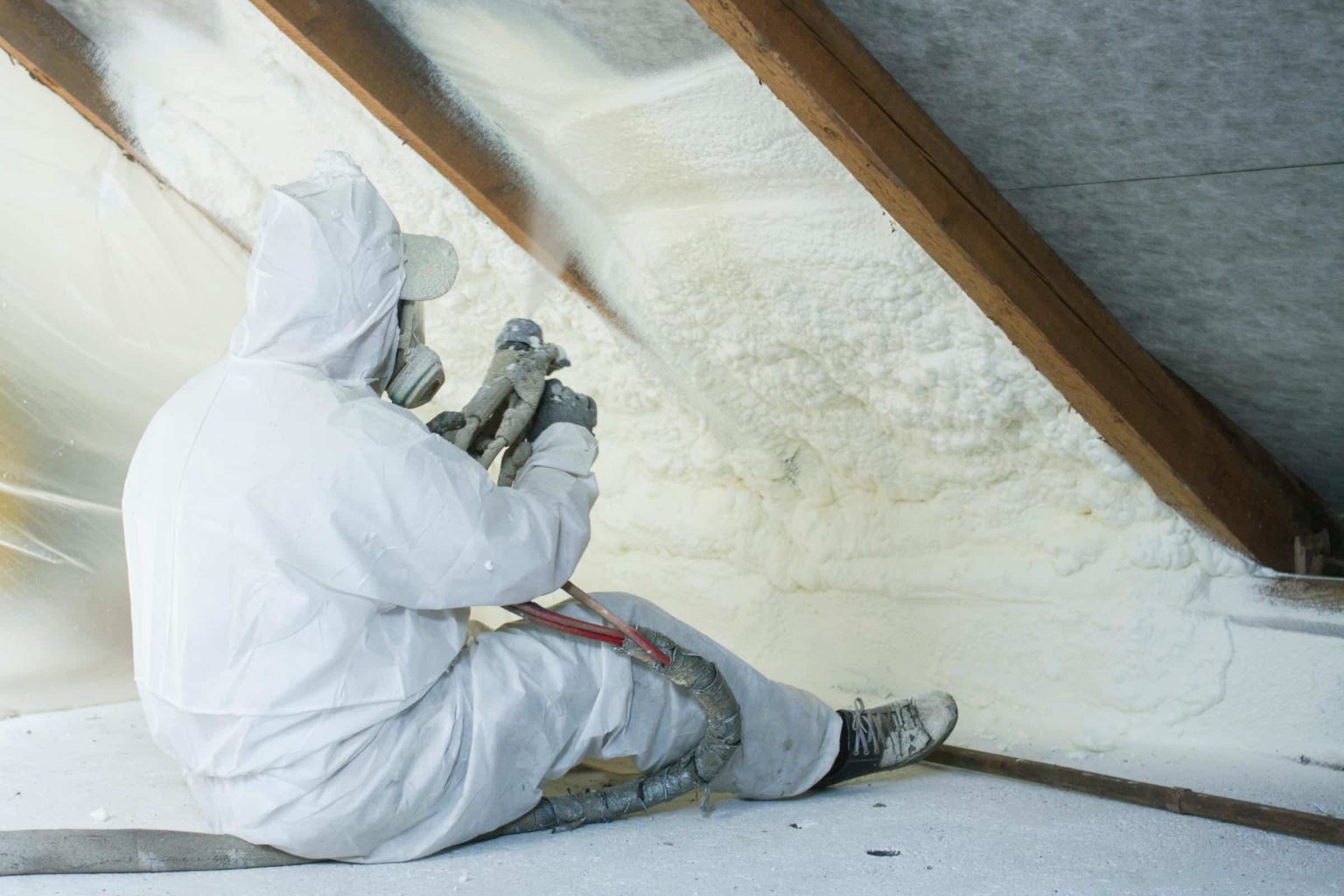
CAL FOAM Inc. installs spray foam insulation in attic spaces, roof decks, and commercial structures across California. Whether you own a single-family home or manage a large commercial building, the application method and material selection directly affect energy performance and long-term costs.
The attic is where most homes lose the most conditioned air. Gaps around recessed lighting, HVAC penetrations, and framing connections create pathways for heat to enter in summer and escape in winter. Spray foam seals those gaps at the point of application, not just slowing air movement but stopping it.
We install both open-cell and closed-cell spray foam in attic spaces depending on the specific conditions:
A properly insulated attic reduces the load on your HVAC system, which extends equipment life and lowers monthly energy bills.
Applying spray foam directly to the underside of a roof deck creates an unvented attic assembly. This moves the thermal boundary to the roof line rather than the ceiling plane, which is more effective when HVAC equipment or ductwork is located in the attic.
This approach is particularly useful in California climates where attic temperatures can exceed 140°F in summer. Keeping ductwork inside the conditioned envelope prevents significant energy loss through duct leakage and conduction.
We also apply spray foam to flat roof decks on both residential and commercial structures, providing continuous insulation with no thermal bridging through framing members.
Commercial buildings have insulation needs that differ from residential projects in scope, scheduling, and code compliance. We work with:
|
Building Type |
Common Application |
|
Warehouses |
Roof deck and wall cavity spray foam |
|
Office Buildings |
Ceiling and exterior wall assemblies |
|
Retail Spaces |
Roof deck insulation, air sealing at penetrations |
|
Multi-tenant Buildings |
Unit separation walls, roof assemblies |
California's Title 24 energy code sets minimum insulation requirements for commercial buildings. We install systems that meet or exceed those requirements and provide documentation to support permit applications.
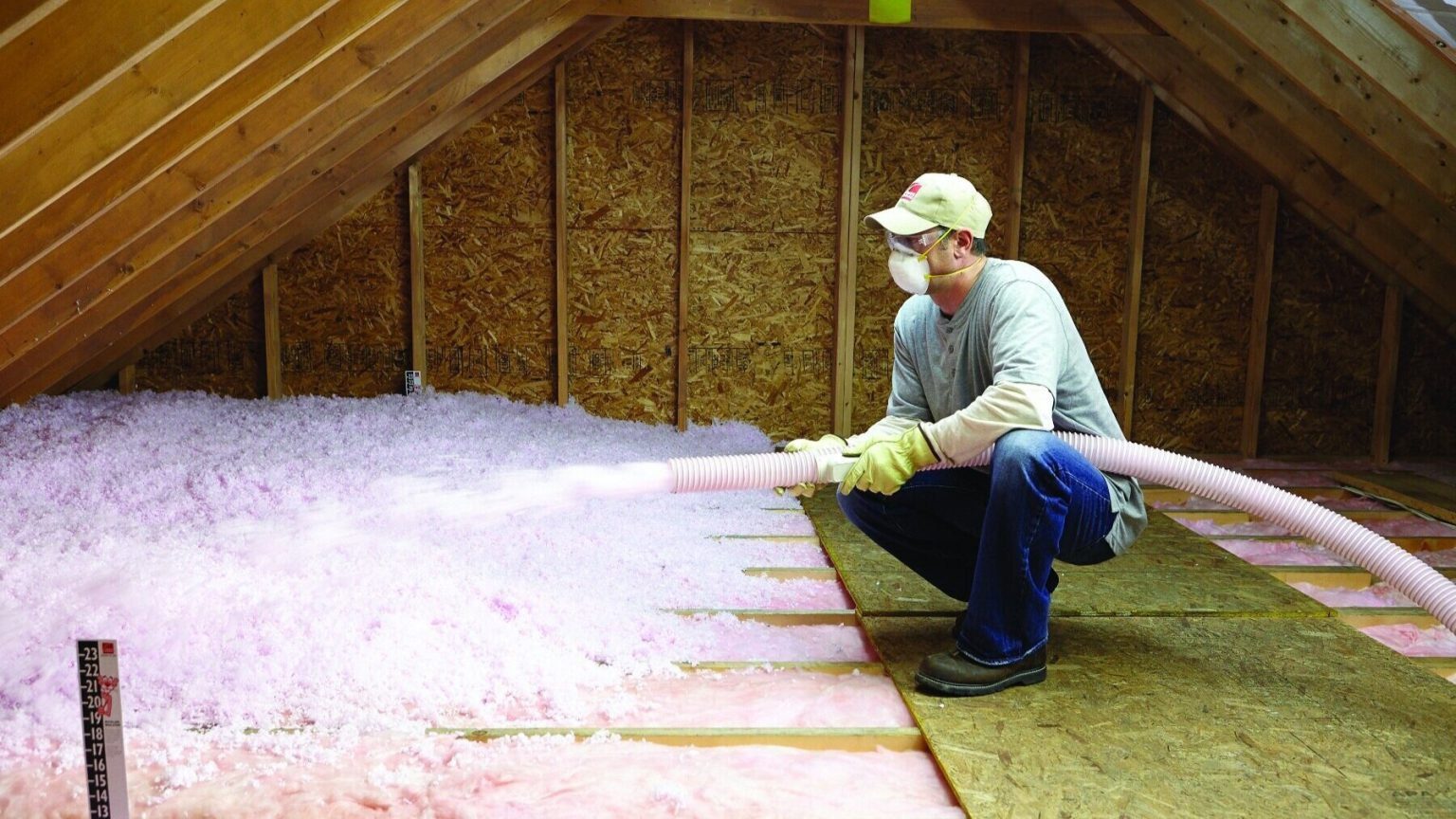
Spray foam attic insulation reduces energy loss, stabilizes indoor temperatures, and limits noise transfer through the roof assembly. These three outcomes directly affect utility costs, daily comfort, and the livability of your space.
Heat moves through an uninsulated or under-insulated attic constantly — into your home in summer, out of it in winter. Spray foam creates an air-tight thermal barrier that slows that transfer significantly.
The U.S. Department of Energy estimates that proper attic insulation can cut heating and cooling costs by up to 15%. In California's climate, where cooling runs most of the year, that figure adds up quickly.
Spray foam also seals air gaps that other insulation types leave open. Those gaps are where conditioned air escapes and outside air infiltrates, forcing your HVAC system to work harder and run longer. Sealing them reduces equipment wear and extends system life.
A poorly insulated attic creates uneven temperatures throughout the home or building. Upper floors overheat in summer and lose heat faster in winter because the attic acts as a thermal bridge between the interior and the exterior.
Spray foam — particularly closed-cell — addresses this by combining high R-value per inch with an air and moisture barrier in a single application. This keeps conditioned air where it belongs.
The practical result is more consistent temperatures room to room, fewer hot or cold spots, and less reliance on thermostat adjustments. For commercial buildings, this also means a more stable environment for employees, customers, and equipment.
The attic sits directly beneath the roof, which means it receives impact noise from rain, wind, and debris, as well as airborne noise from outside. Open-cell spray foam absorbs sound effectively due to its flexible, porous cell structure.
|
Foam Type |
Noise Reduction |
Best Use Case |
|
Open-cell spray foam |
High |
Residential attics, noise-sensitive spaces |
|
Closed-cell spray foam |
Moderate |
Where moisture control is the priority |
For homeowners near airports, highways, or high-traffic areas, attic spray foam provides a measurable reduction in exterior noise levels reaching the living space.
Attic insulation that is missing, compressed, or aging past its effective lifespan leads to higher energy costs, uneven comfort throughout the building, and moisture-related damage that worsens over time.
When attic insulation is inadequate, conditioned air escapes through the ceiling envelope. Your HVAC system compensates by running longer cycles to maintain the set temperature — and that extra runtime shows up directly on your energy bill.
In California's climate, cooling loads are a year-round concern in most regions. A poorly insulated attic in a Southern California home or commercial building can contribute significantly to monthly energy waste.
Key cost drivers:
Poor attic insulation creates temperature imbalances between rooms. Spaces directly below the attic — top-floor offices, bedrooms, retail floors — are typically the most affected, running noticeably warmer in summer and colder in winter than the rest of the building.
This directly affects occupant comfort and productivity. In a commercial setting, inconsistent temperatures lead to complaints from employees and customers alike.
Common symptoms:
Inadequate insulation allows warm, humid indoor air to reach cold surfaces — typically in wall cavities and along the attic ceiling. When that warm air meets a cold surface, moisture condenses. Over time, this creates conditions that support mold growth and wood rot.
Mold in an attic is not always visible from inside the living space. By the time it becomes noticeable, it has often been developing for months.
Moisture-related risks include:
Poor indoor air quality as mold spores circulate through the HVAC system
CAL FOAM Inc. is a licensed, owner-operated California contractor with hands-on expertise in spray foam and attic insulation for residential, commercial, and agricultural properties.
We hold California Contractor License #1123937, issued through the Contractors State License Board (CSLB). This means our work meets California's legal and safety standards, including compliance with Title 24 energy codes.
Being licensed is not a formality. It protects you as a property owner. Unlicensed insulation work can lead to failed inspections, voided warranties, and liability issues that fall on the homeowner or business owner.
We carry the required insurance and operate with permits where applicable, so your project is documented and protected from start to finish.
CAL FOAM Inc. is a brother-owned and operated business with a focused specialty in spray foam and attic insulation — not a general contractor offering insulation as a side service. That focus means our team understands building science, not just product application.
We work on:
Our BuildZoom score of 93 places us in the top 27% of over 336,000 licensed California contractors. That ranking reflects consistent, verified project history.
We use professional-grade spray foam equipment rather than consumer-grade alternatives. The difference shows in adhesion, density, coverage consistency, and long-term performance.
Safety is handled seriously on every job. Spray foam requires proper ventilation, protective equipment, and correct mixing ratios. Errors in application can reduce effectiveness or create indoor air quality problems. Our team follows established safety protocols on every project.
We do not cut corners on materials. The insulation products we use are selected for California's climate conditions — particularly the heat loads common in the Central Valley and inland regions where proper attic insulation makes the most measurable difference.
Keep your home more comfortable and energy efficient with professional attic insulation services. Contact us today for a free estimate and expert help you can trust.
Spray foam attic insulation in California generally ranges from $1.50 to $4.50 per board foot, depending on whether open-cell or closed-cell foam is used. Open-cell foam costs less upfront but has a lower R-value per inch. Closed-cell foam costs more but delivers higher R-values and adds structural rigidity.
For a typical residential attic, total project costs can range from $2,000 to $8,000 or more. Commercial attic spaces will vary more widely based on square footage and access conditions. We provide detailed quotes after assessing your specific attic.
Most residential attic spray foam installations are completed in one day. Larger or more complex attics — including those with obstructions, uneven framing, or significant air sealing needs — may require two days.
Cure time matters too. Spray foam reaches a tack-free state within minutes but requires 24 hours before the space should be occupied. We'll give you a clear timeline before we start.
Remove any stored items from the attic before our crew arrives. If existing insulation needs to be removed first, we handle that as part of our process, but it should be discussed during the initial assessment.
Any known pest activity, water intrusion, or roof leaks must be addressed before installation. Spray foam applied over active moisture problems will trap the issue rather than fix it. We inspect for these conditions before proceeding.
Closed-cell spray foam creates an airtight, moisture-resistant barrier that significantly reduces the amount of humid air entering the attic. This lowers the conditions that allow mold to develop. It also has a low vapor permeability rating, which limits moisture migration through the building envelope.
Open-cell spray foam is more breathable and is not a vapor barrier on its own. In California's more humid coastal climates, closed-cell is often the better choice for moisture control. We assess your local climate zone and attic conditions before making a recommendation.
Yes. A properly insulated attic reduces heat gain in summer and heat loss in winter, which directly reduces the workload on your HVAC system. Rooms that previously ran hot or cold often stabilize significantly after attic insulation is installed.
HVAC equipment that runs less frequently experiences less wear. This can extend the service life of your system and reduce maintenance costs over time. Many California homeowners also see a measurable drop in monthly energy bills.
Spray foam is not always the right first step. If there is an active roof leak, structural damage, or a pest infestation, those issues need to be resolved before any insulation work begins. Installing foam over these conditions can make future repairs more difficult and expensive.
In some older homes, attic ventilation is intentionally part of the building's moisture management strategy. Converting to an unvented spray foam attic assembly in those cases requires careful evaluation. We identify these situations during our assessment and will tell you clearly if a different approach makes more sense.